
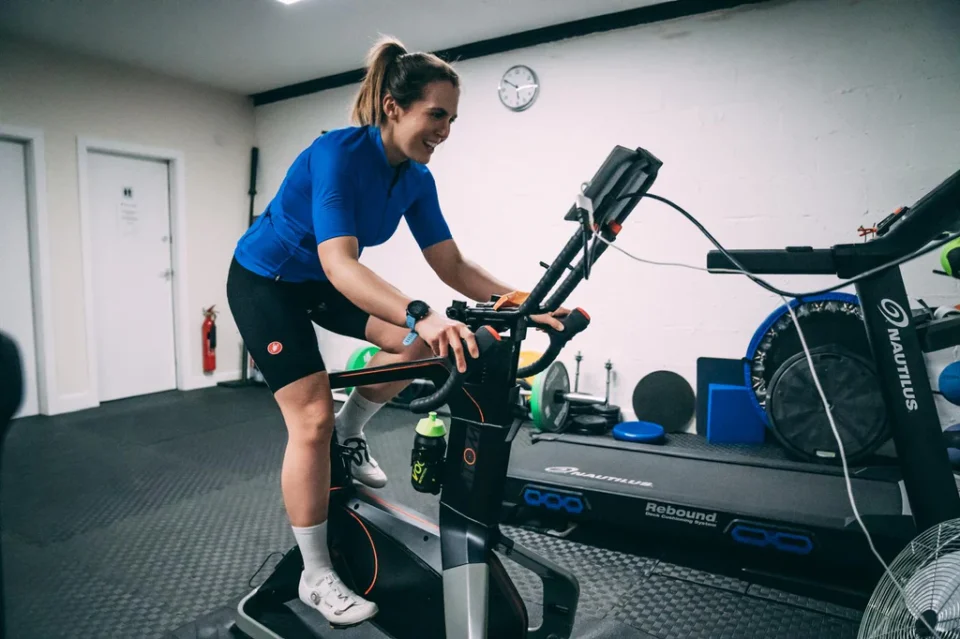
Carbohydrate periodisation has emerged from elite endurance sport as one of the most sophisticated and evidence-supported nutritional strategies available to serious athletic performers. Once confined to professional cycling and distance running, its principles are increasingly applicable to dedicated recreational fitness participants whose training volumes and performance objectives warrant a more nuanced approach to carbohydrate management than generic high-carb or low-carb dietary frameworks provide.
For participants in Indoor cycling singapore classes who train three or more times per week with genuine performance objectives, understanding carbohydrate periodisation beyond the basic pre-workout carbohydrate loading narrative represents a meaningful opportunity to improve both training quality and long-term metabolic adaptation.
What Carbohydrate Periodisation Actually Means
Carbohydrate periodisation refers to the deliberate manipulation of carbohydrate intake across training sessions and days to produce specific physiological adaptations and optimise training quality for defined performance outcomes. It is not a single dietary approach but a framework for matching carbohydrate availability to training demands and adaptation goals on a session-by-session and day-by-day basis.
The foundational insight driving carbohydrate periodisation is that different training sessions have different carbohydrate requirements, and that providing the same carbohydrate intake regardless of session type and purpose suboptimises both training performance and metabolic adaptation. High-intensity interval sessions require different carbohydrate availability than low-intensity aerobic base sessions, and recovery days require different intake than high-volume training days.
Carbohydrate periodisation strategies exist on a spectrum from simple high-low carbohydrate day alternation to sophisticated session-by-session intake manipulation calibrated to specific physiological targets. The approach most appropriate for a recreational indoor cycling participant differs from elite athlete protocols but follows the same underlying principles.
Training Low: The Adaptation Strategy
Training in a carbohydrate-restricted state, commonly referred to as training low, is the most evidence-supported carbohydrate periodisation strategy for improving metabolic efficiency in endurance athletes. When training sessions are conducted with low glycogen availability, the cellular signalling pathways that regulate mitochondrial biogenesis and fat oxidation enzyme development are more strongly activated than when sessions are performed with full glycogen stores.
The practical mechanism involves the AMP-activated protein kinase (AMPK) pathway, which is activated by low cellular energy status and initiates a cascade of adaptations that improve the cell’s capacity for aerobic energy production. Training with reduced carbohydrate availability creates the low cellular energy conditions that maximally activate AMPK signalling, producing stronger mitochondrial adaptation signals than training with full glycogen stores.
Practical training low strategies that indoor cycling participants can implement include:
- Completing low-intensity morning sessions before breakfast, in a fasted state following overnight glycogen reduction
- Performing a second training session of the day without carbohydrate intake between sessions, using residual glycogen depletion from the first session to create a low-availability training stimulus
- Restricting carbohydrate intake in the hours before a planned low-intensity session while maintaining adequate protein and fat intake
Training High: When Carbohydrate Availability Matters
The counterpart to strategic training low sessions is ensuring full carbohydrate availability for the high-intensity sessions where glycogen is the non-negotiable primary fuel source. This is where many carbohydrate periodisation approaches create problems for uninformed participants: applying training low strategies to high-intensity sessions produces significant performance decrements that compromise the quality of the physiological adaptations targeted by high-intensity training.
High-intensity indoor cycling intervals, threshold training, and VO2 max sessions all require full glycogen availability for optimal execution. Attempting these sessions in a glycogen-depleted state reduces the power outputs achievable, compromises the neuromuscular recruitment patterns that high-intensity training is intended to develop, and increases the psychological difficulty of the session to a point that often results in premature effort reduction.
For these sessions, consuming a carbohydrate-containing meal two to three hours before training and a small carbohydrate top-up thirty to forty-five minutes before the session if needed ensures glycogen stores are sufficiently replenished to support maximal-quality interval efforts throughout the class.
Carbohydrate Intake During Long Indoor Cycling Sessions
For indoor cycling sessions exceeding sixty minutes at moderate to vigorous intensity, intra-session carbohydrate consumption becomes relevant to performance maintenance in the latter portion of the session. Glycogen stores are finite, and sessions of sufficient duration and intensity can deplete them to levels that compromise power output and perceived effort in the final intervals.
The current sports science consensus recommends thirty to sixty grams of carbohydrate per hour for sessions of sixty to ninety minutes duration, rising to sixty to ninety grams per hour for sessions exceeding ninety minutes. In the indoor cycling studio context, this translates to consuming a sports drink, energy gel, or similar rapidly absorbed carbohydrate source during longer session formats.
For Singapore’s indoor cycling participants, the elevated sweat rates produced by training in Singapore’s climate make carbohydrate-electrolyte sports drinks a particularly practical intra-session nutrition strategy, as they address both glycogen maintenance and electrolyte replacement simultaneously.
Post-Session Carbohydrate Timing for Recovery and Adaptation
Post-session carbohydrate intake strategy in a periodised framework depends on what training is planned for the following day. If a high-quality training session is scheduled within twelve to twenty-four hours of the completed session, prompt and complete glycogen resynthesis through immediate post-session carbohydrate consumption is a priority. If a rest day or low-intensity session follows, the urgency of immediate post-session carbohydrate consumption is reduced, and some practitioners deliberately extend the post-session low-carbohydrate period to prolong the training adaptation signalling window.
TFX Singapore supports members who are developing more sophisticated approaches to their training nutrition by providing the programming context that allows carbohydrate periodisation strategies to be implemented in a structured and evidence-based way aligned with actual training demands across the weekly schedule.
Practical Implementation for Singapore’s Indoor Cyclists
Implementing carbohydrate periodisation within Singapore’s food environment requires some practical adaptation of general principles. Identifying local food options that provide appropriate carbohydrate quantities and qualities for pre-session, intra-session, and post-session needs allows the strategy to be maintained without requiring significant dietary disruption.
Low-carbohydrate pre-session options available in Singapore’s food environment include eggs with vegetables, chicken with salad, and fish with minimal starch. High-carbohydrate pre-session options include mixed rice with protein, congee, and fruit-based smoothies. Post-session carbohydrate and protein combinations including mixed rice with a protein source or fruit with Greek yoghurt provide the macronutrient profile that supports both glycogen resynthesis and muscle protein synthesis effectively within Singapore’s accessible food landscape.
