
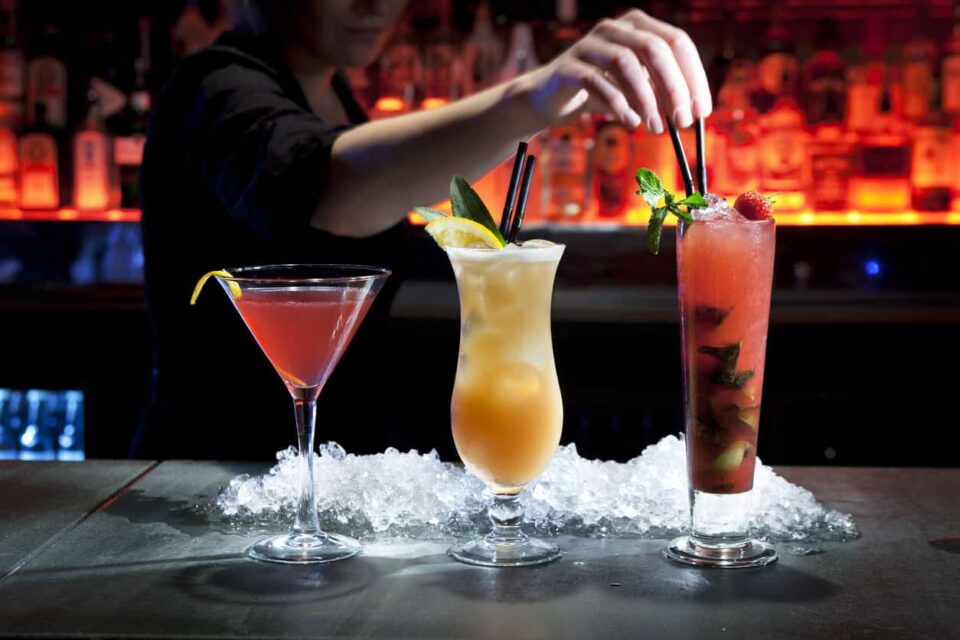
Every neighborhood bar owner knows the stark contrast between a chaotic, high-revenue Saturday night and the quiet chill of a Tuesday afternoon. While weekend crowds often take care of themselves through organic foot traffic and social rituals, the real battle for profitability is fought between Monday and Thursday. Empty stools during the week still cost money in rent, utilities, and baseline staffing, making weeknight sales the ultimate deciding factor in a bar long-term financial health.
Transforming slow weeknights into consistent revenue drivers requires moving away from passive waiting and stepping into proactive, targeted marketing. The modern consumer needs a compelling, specific reason to leave the comfort of their couch on a Wednesday evening. By leveraging community partnerships, structured entertainment, digital precision, and strategic menu engineering, you can give them that reason and build a loyal weekday following.
The Psychology of the Weeknight Patron
Before launching any new marketing campaigns, it is essential to understand that the mindset of a weeknight customer is entirely different from a weekend reveler. On a Friday night, patrons are looking to decompress, socialize widely, and often spend money more freely with fewer time constraints.
Conversely, a weeknight patron is usually driven by a desire for comfort, routine, a sense of belonging, or a low-stress escape from daily work anxieties. They are highly mindful of the alarm clock waiting for them the next morning. Therefore, your weeknight marketing should not focus on high-energy club vibes or excessive consumption. Instead, position your establishment as a welcoming community hub, a reliable spot for a great meal, or an engaging but time-bound social experience.
1. Implement Structured Weekly Event Programming
Consistency is the absolute foundation of successful weeknight marketing. If you host an occasional event whenever sales dip, customers will never build your establishment into their weekly routines. You want your target audience to automatically associate specific nights of the week with distinct experiences at your venue.
Trivia and Pub Quiz Leagues
Trivia nights are a staple of bar marketing for a good reason: they work exceptionally well at filling seats on slow nights. To maximize the financial return on a trivia night, structure it as a multi-week league rather than a series of disconnected, standalone events.
-
Encourage Team Loyalty: When groups form teams to compete for a grand prize over an eight-week period, they commit to returning to your bar every single week to protect their standings.
-
Capitalize on Pacing: Trivia events naturally slow down the drinking and dining process, keeping patrons in their seats for two to three hours. This extended stay directly translates into higher food and beverage sales per table.
Industry Nights for Hospitality Workers
Your local bar is not the only business struggling with irregular schedules. Hair stylists, retail employees, and fellow hospitality workers often have their weekend days off during the traditional workweek, such as Mondays or Tuesdays.
-
Target the Service Community: Design a dedicated industry night that caters specifically to this demographic. Offer premium discounts on shift drinks and late-night food options that match their non-traditional hours.
-
Harness Word-of-Mouth: Hospitality workers are incredibly well-connected within local communities. If you treat them well on their nights off, they will actively recommend your bar to their own weekend customers, driving organic traffic to your business.
2. Engineer Time-Sensitive Food and Beverage Incentives
Discounting your menu across the board is a lazy strategy that erodes your profit margins and devalues your brand. Instead, focus on creating smart, time-sensitive incentives that drive volume without sacrificing your bottom line.
High-Margin Food and Drink Pairings
Create exclusive weeknight pairings that utilize low-cost, high-margin food items to pull people through the door.
-
The Power of Specialization: Think of classic promotions like a Tuesday Smash Burger and Draft Beer Combo, or a Thursday Night Wing Special.
-
The Upsell Opportunity: The psychological draw of a perceived food deal gets the customer into a booth. Once seated, they rarely stop at just the promotional item; they frequently order additional premium cocktails, appetizers, and desserts at full retail price.
Gamified App Launch Specials
Move beyond the traditional happy hour by turning your weekday beverage program into an interactive experience. Some bars have found tremendous success by implementing a stock market style pricing night on Wednesdays, where the prices of specific beers and cocktails fluctuate live on digital screens based on real-time customer demand. This gamified approach turns a regular evening into an event, encouraging patrons to group-order when prices drop and share the experience across their personal social media accounts.
3. Leverage Micro-Targeted Digital Advertising
Hoping that organic social media posts will reach your neighborhood crowd is no longer a viable strategy due to shifting algorithm constraints. To move the needle on weeknight sales, you must invest in highly targeted hyper-local digital advertising.
Geofencing Around Office Parks and Residential Hubs
Utilize platforms like Meta Ads and Google Ads to build geofenced marketing campaigns that target a tight radius around your bar, specifically focusing on nearby corporate offices and residential apartment complexes.
-
Perfect Timing: Program your advertisements to go live between 3:00 PM and 5:30 PM on Tuesdays and Wednesdays.
-
Direct Messaging: Serve ads featuring crisp imagery of ice-cold beers, signature cocktails, and appetizing appetizers directly to the smartphones of local professionals exactly as they are wrapping up their workday and contemplating their evening plans. Keep the call-to-action focused on a low-stress post-work unwind space.
Turn Guest Wi-Fi into a Marketing Engine
Stop giving away your venue internet access without getting something valuable in return. Implement a captive portal splash page for your public guest Wi-Fi system. To log on to the internet, patrons must provide a verified email address or phone number. Over time, this builds a robust, localized database of people who have physically visited your establishment. You can then segment this list to send automated, exclusive text messages or email invitations offering special perks specifically on slow Tuesday or Wednesday nights.
4. Cultivate B2B Partnerships and Community Integrations
Your local bar does not exist in an economic vacuum. Building relationships with surrounding businesses and community organizations can unlock a steady stream of dependable weekday patrons.
Corporate Happy Hour Hosting
Reach out directly to the human resources or community managers of mid-sized companies located within walking distance of your bar. Offer them a streamlined, frictionless framework to host company happy hours, team-building mixers, or retirement celebrations at your venue on Monday or Tuesday afternoons. Provide them with custom group reservation packages or simplified tab options. This secures guaranteed group revenue during your slowest operational hours and introduces your space to new individual patrons who may return on their own time.
Recreational Sports League Sponsorships
Partner with local adult recreational sports leagues, such as kickball, softball, bowling, or darts associations. Offer to become the official post-game clubhouse for the league.
-
Guaranteed Traffic: In exchange for a modest sponsorship fee or providing league shirts, require that teams gather at your bar after their weeknight games for food and drinks.
-
High-Volume Loyalty: Rec-league players are notoriously thirsty and hungry after their matches. They will flood your bar in large, energetic groups on a random Tuesday or Thursday night, wearing their team colors and generating a vibrant atmosphere that makes the space feel alive to regular walk-in guests.
Frequently Asked Questions
How do I know if a weeknight event is truly profitable or just busy?
To measure the true profitability of a weeknight event, you must look past total gross sales and calculate your net margins. Establish a baseline revenue figure by averaging the sales of that specific weekday over a quiet four-week period without any events. When running the event, subtract the added costs of entertainment talent, extra marketing spend, and additional labor hours from your gross lift. If your remaining profit margin is higher than the quiet baseline, the event is a financial success.
Won weeknight food and drink discounts cannibalize my full-price weekend sales?
No, because the customer segments and dining occasions are fundamentally different. Weekend patrons are rarely motivated purely by low-tier discounts; they are paying for the prime-time atmosphere and social status of a weekend night out. Weeknight promotions appeal to price-sensitive locals, regular neighborhood characters, and people looking for a casual meal. As long as you restrict your promotional pricing strictly to specific weekday windows, you protect your full-price weekend revenue.
How long should I run a new weekday promotion before deciding to cancel it?
A common mistake is killing a weeknight event after just two or three weeks because of low turnout. It takes time to alter consumer habits and build community awareness. You should commit to running any new weekday initiative for at least eight to twelve consecutive weeks. This timeline gives your marketing efforts room to breathe, allows word-of-mouth to spread throughout the neighborhood, and gives patrons a chance to build the event into their social calendars.
Is it better to hire a third-party trivia company or host it using internal staff?
Hiring an established third-party trivia company is usually best for bars starting out, as these companies bring a polished format, professional hosting talent, and an existing local following of trivia enthusiasts. However, if you have an exceptionally charismatic bartender or manager who wants to host, running it internally can save on weekly vendor fees and allows you to customize the questions to perfectly reflect your specific bar culture and neighborhood identity.
How can I attract corporate happy hours if my bar lacks a private event room?
You do not need a completely closed-off private room to attract corporate groups. Many companies prefer a casual, integrated vibe. You can create a semi-private experience by using rope stanchions, temporary structural dividers, or simply placing prominent reserved signs across a designated section of booths or high-top tables. Offer these groups pre-ordered platters of finger foods ready upon their arrival to make the space feel exclusive and organized.
What is the best way to handle staffing changes when weeknight traffic starts increasing?
When launching new weeknight initiatives, communicate openly with your staff about the projected traffic shifts. Service employees often dislike working slow weekdays because tips are low. By demonstrating that your new marketing efforts will drive volume and boost their tip earnings, you can turn slow shifts into highly coveted slots. Schedule your strongest, most efficient staff members for event nights to ensure fast service times that keep the crowded room happy and spending.
