
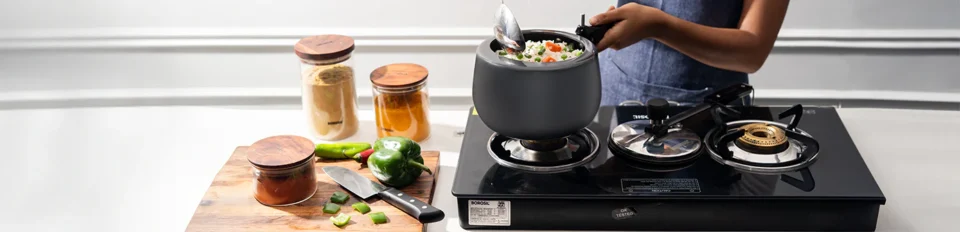
Pressure cooking has undergone a massive transformation. Once associated with rattling stovetop weights and the occasional kitchen horror story, the modern pressure cooker—whether a traditional stovetop model or a digital electric multi-cooker—is an indispensable tool for the efficient kitchen. By trapping steam, these vessels raise the boiling point of water from 212°F (100°C) to roughly 250°F (121°C), cutting conventional cooking times by up to seventy percent while preserving nutrients and concentrating flavors.
However, harnessing the power of high-temperature steam requires a firm understanding of physics, mechanics, and culinary technique. Operating a pressure cooker safely is not merely about following a recipe; it is about understanding how pressure, liquid volume, and ingredient expansion interact within a sealed environment.
The Core Mechanics of Pressure Cooking
To manipulate a pressure cooker safely, you must first understand the ecosystem inside the pot. When liquid inside the sealed chamber is heated, it produces steam. Because the steam cannot escape, it creates atmospheric pressure. This pressure forces moisture and heat into the food at an accelerated rate.
Every pressure cooker relies on a few critical safety components to manage this environment:
-
The Gasket: A silicone or rubber ring that creates a hermetic seal between the lid and the pot.
-
The Floating Valve: A small pin that rises when pressure builds, locking the lid in place to prevent it from being opened under pressure.
-
The Pressure Release Valve: The primary mechanism used to manually or automatically vent steam.
-
Backup Venting Slots: Cutouts in the rim of the lid designed to safely deform and release steam downward if both primary valves fail.
Before initiating any cooking cycle, you must visually inspect these components. A compromised gasket or a blocked valve can lead to improper pressurization or, in rare cases, a dangerous release of steam.
Advanced Pre-Cooking Safety Protocols
Safe operation begins long before you turn on the heat source or press the start button. Advanced users treat the assembly of a pressure cooker with the same precision as a scientific experiment.
Inspecting the Hardware
Before adding any ingredients, remove the silicone gasket from the lid. Stretch it gently to check for cracks, tears, or signs of dry rot. A dry or stretched gasket will fail to hold pressure, causing steam to escape from the sides of the lid, which can burn the operator or result in scorched food.
Next, look through the pressure release duct from the underside of the lid. You should be able to see clear light through the tube. If there is any debris from a previous meal, clean it with a small brush or toothpick.
Calculating Liquid Ratios and the Expansion Factor
The most common mistake leading to pressure cooker accidents or failures is miscalculating liquid volume and ingredient expansion.
-
The Minimum Liquid Rule: A pressure cooker cannot create steam without liquid. For standard electric cookers, the baseline minimum is typically one cup of thin liquid, such as water, broth, or wine. Thicker liquids like tomato sauce, cream, or barbecue sauce will burn on the bottom of the pot before creating sufficient steam.
-
The Standard Max Fill Line: For general foods like meats and vegetables, never fill the inner pot past the two-thirds mark. This leaves adequate headspace for steam accumulation.
-
The Expansion Max Fill Line: Grains, beans, legumes, and dehydrated vegetables expand significantly during cooking and create foam. When preparing these ingredients, never fill the cooker past the half-way mark. Overfilling with expanding foods will clog the safety valves, trapping the pressure inside or causing hot foam to erupt through the vent.
Mastering Steam Release Methodologies
The way you release pressure at the end of a cooking cycle dictates both the texture of your food and your physical safety. There are three primary methods for venting steam, each suited to specific culinary applications.
Natural Pressure Release
The natural release method involves turning off the heat source or allowing the cooker to switch to a warming cycle, letting the temperature drop gradually. As the temperature falls, the steam condenses back into liquid, and the pressure dissipates naturally. This process can take anywhere from fifteen to forty minutes depending on the volume of food.
This method is mandatory for high-volume liquids like soups, stews, and bone broths, as well as foaming ingredients like beans and grains. Venting steam too quickly from a large volume of liquid causes the fluid to boil violently, forcing boiling foam out through the release valve.
Quick Pressure Release
The quick release method involves manually shifting the pressure release valve to the venting position, allowing steam to erupt rapidly from the pot. This process takes between one and three minutes.
This technique is reserved for delicate vegetables, seafood, and quick-cooking dishes where an extra ten minutes of residual cooking would ruin the texture. To perform this safely, never place your bare hand, face, or upper body directly over the valve. Use a long wooden spoon or tongs to shift the valve, and ensure the cooker is not positioned underneath wooden kitchen cabinetry, as the intense moisture can warp the wood.
Combination Release
A combination release allows the cooker to cool naturally for a set period, typically ten to fifteen minutes, before the remaining steam is manually vented via quick release. This is the optimal approach for large cuts of meat, as it prevents the sudden drop in pressure from pulling the juices out of the muscle fibers, resulting in a more tender yield.
Managing High-Risk Ingredients
Certain ingredients behave unpredictably under high pressure. Advanced cooks take specific precautions when working with foods that foam, sputter, or scorch.
Dairy and Thickeners
Milk, cream, butter, and cheeses should almost never be added to a pot prior to pressure cooking. High heat and pressure cause dairy to curdle and separate. Furthermore, dairy foams aggressively, risking a valve blockage. Stir dairy products into the dish after the pressure cooking cycle is complete and the lid has been safely removed.
Similarly, thickeners like cornstarch, flour, and arrowroot must be introduced at the very end of the cooking process. Thickened liquids prevent convection currents within the pot, causing the food at the bottom to burn and trigger the overheat error code on electric units.
Alcohol and Volatile Liquids
When cooking with wine, beer, or spirits, always simmer the liquid with the lid off for a few minutes before sealing the cooker. This allows the volatile alcohol vapors to burn off. Sealing a highly concentrated alcohol vapor inside a pressurized chamber can alter the boiling dynamics and creates an unnecessary safety hazard.
Post-Cooking Lid Manipulation
The final stage of safety occurs when removing the lid. Even after the floating pin has dropped, indicating that the chamber is no longer under pressure, the interior environment remains incredibly hot.
When unlocking the lid, always tilt it away from your face. The underside of the lid acts as a shield, directing the sudden rush of residual steam and condensation away from your skin. Keep your hands and arms clear of the rim until the steam has completely dissipated.
Essential Visual Guide
An inspection of the physical components is the single most critical step before beginning any cooking process. Refer to the standard assembly structure below to ensure your equipment is in peak operating condition.
Frequently Asked Questions
Why does my pressure cooker steam from the sides of the lid during the initial heating phase?
It is normal for small amounts of steam to escape from the rim or the floating pin when the liquid first begins to boil. This happens because there is not yet enough pressure inside the vessel to force the gasket to seal completely or to push the floating valve into the locked position. However, if steam continues to escape from the sides of the lid for more than five minutes, it indicates that the gasket is either dirty, improperly seated, or damaged, and the cycle should be stopped.
Can I use parchment paper or aluminum foil inside a pressure cooker?
Yes, you can use parchment paper or aluminum foil when employing the pot-in-pot cooking method, where a secondary heat-safe container is placed on a trivet inside the main pot. Ensure the paper or foil is tightly secured to the inner container so that circulating steam cannot blow it into the upper lid, where it could easily obstruct the pressure safety valves.
What should I do if the pressure cooker lid is stuck and will not unlock after cooking?
If the lid is stuck, never force it open. A stuck lid indicates that residual pressure remains inside the pot, even if the floating pin appears to have dropped. This can happen when thick food or starch clogs the pin mechanism. Allow the cooker to cool completely for another twenty minutes, or apply a cold, damp towel to the lid of a stovetop cooker to condense any remaining vapor. If it still will not budge, the venting system may require professional service.
How do I adapt a standard oven or stovetop recipe for a pressure cooker?
To adapt a conventional recipe, reduce the liquid volume significantly. Because a pressure cooker is a sealed system, virtually no evaporation occurs. As a general rule, reduce liquids by roughly one-third to one-half, ensuring you still meet the minimum liquid requirement for your specific machine. Additionally, cut the overall cooking time to roughly one-quarter or one-third of the original conventional cooking time.
Is it safe to deep fry food inside a pressure cooker using oil?
No, standard home pressure cookers are not designed for pressure frying with oil. Deep frying requires dedicated commercial pressure fryers constructed to withstand the high temperatures and unique thermal properties of boiling oil. Attempting to pressure fry in a standard consumer unit will destroy the gaskets, melt the plastic components, and presents an extreme risk of severe thermal burns and fire.
How often should I replace the silicone gasket ring on my cooker?
For regular users, the silicone gasket should be replaced every twelve to eighteen months. Over time, exposure to high heat, moisture, and food acids causes the silicone to lose its elasticity and become brittle or permanently stretched. If you notice that your cooker takes significantly longer to reach pressure, or if the gasket retains strong food odors that cannot be washed away, it is time to install a replacement.
