
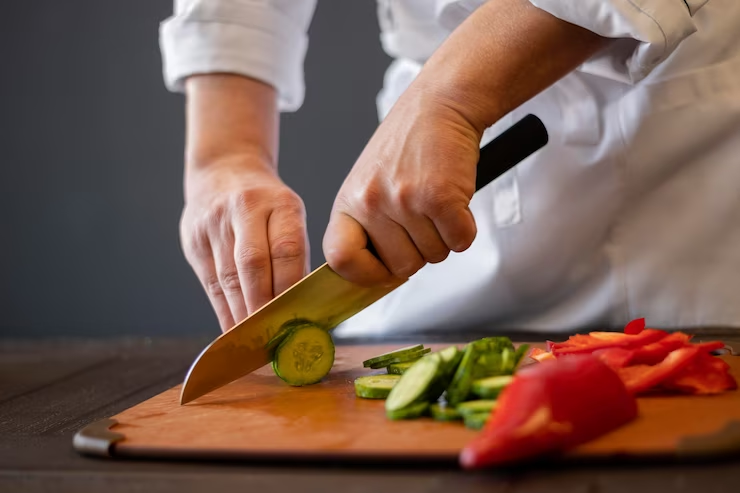
Walk into any high-end restaurant kitchen an hour before service, and you will not hear the chaotic clanging of pans or the frantic shouting often depicted in television dramas. Instead, you will find a serene, almost meditative environment. Cooks stand at their stations, intensely focused on slicing, measuring, portioning, and arranging ingredients into neat arrays of small metal bowls. This deliberate preparation is not just a preliminary chore. It is the execution of a foundational culinary philosophy known as mise en place.
Translated literally from French, mise en place means putting in place or everything in its place. In the culinary world, it refers to the practice of gathering and arranging all necessary ingredients, tools, and equipment before cooking actually begins. While it sounds like a simple organizational technique, it operates as a profound system of efficiency that separates amateur cooks from professional chefs. Understanding the depth of this practice reveals how it alters not just the workflow of a kitchen, but the very quality of the food produced.
The Historical Roots of Kitchen Architecture
To appreciate the power of this system, one must understand its origin. The formalization of mise en place is credited to Auguste Escoffier, the legendary French chef who revolutionized commercial cooking in the late nineteenth century. Before Escoffier, professional kitchens were chaotic, dangerous, and profoundly inefficient environments. Menus were disorganized, and individual cooks were often responsible for preparing entire dishes from scratch, leading to long wait times and inconsistent quality.
Escoffier changed everything by introducing the Brigade de Cuisine, a hierarchical system that structured the kitchen much like a military unit. Each worker was assigned a highly specific role, such as the saucier for sauces or the garde manger for cold dishes. For this assembly-line efficiency to work, guesswork had to be entirely eliminated. Every station required meticulous preparation before the first ticket printout arrived. Escoffier established mise en place as the operational backbone of this new system, turning culinary chaos into a finely tuned machine.
The Mechanics of Proper Preparation
True preparation requires a systematic approach that begins long before a burner is lit. A chef must mentally walk through the entire recipe or service menu to anticipate every physical requirement. This mental rehearsal allows the cook to identify potential bottlenecks and ensure that workflow remains uninterrupted.
The physical execution of the process involves several distinct steps:
-
Tool and Equipment Staging: Selecting the correct knives, cutting boards, pans, tongs, and tasting spoons. These items are placed within arm’s reach based on the frequency of their use.
-
Ingredient Processing: Washing, peeling, chopping, and mincing produce. Proteins are butchered, portioned, and brought to the correct temperature.
-
Measurement and Containment: Weighing liquids, spices, and solids into dedicated containers or ramekins.
-
Station Organization: Arranging the prepared components logically, typically following the chronological order in which they will enter the pan.
By treating these tasks as a separate phase of labor, the chef transforms the act of cooking from a stressful multi-tasking struggle into a fluid sequence of execution.
The Science of Timing and Precision
The most immediate benefit of this preparation is the mastery of culinary physics and chemistry. Cooking is essentially a series of rapid, heat-driven chemical reactions. Proteins denature, sugars caramelize, and liquids emulsify within precise temperature windows. When a chef tries to chop garlic while simultaneously searing a steak, they split their attention between two entirely different culinary demands.
Consider the preparation of a traditional stir-fry or a complex emulsion sauce. In a roaring hot wok, vegetables can go from perfectly crisp to scorched in a matter of seconds. If you must pause to mince ginger while the pan is smoking, the ambient heat will ruin the ingredients already in the pan. By having the ginger, garlic, vegetables, and sauce pre-measured and positioned next to the stove, you can introduce them at the exact millisecond required, capturing optimal flavor and texture.
Furthermore, preparation ensures consistency. When ingredients are measured calmly beforehand, human error drops significantly. A chef can double-check the balance of spices or the volume of a liquid before it alters the chemistry of the entire dish, preventing costly mistakes that waste time and inventory.
The Psychology of the Organized Mind
Beyond the physical benefits, this system infuses the kitchen with a unique psychological clarity. The physical organization of a workspace directly mirrors the cognitive state of the cook. A cluttered, disorganized station breeds anxiety, forcing the brain to constantly scan the environment for missing items. This cognitive load drains energy and reduces the capacity for creative decision-making.
When a station is pristine and every ingredient resides in its designated spot, the chef experiences a state of cognitive ease. This mental freedom allows the cook to focus on the sensory nuances of the food. They can listen closely to the changing hiss of a pan, observe the subtle shifts in the color of a reduction, and smell the exact moment a spice becomes perfectly toasted. The process transforms cooking from a race against time into an exercise in deep presence.
Extending the Philosophy Beyond the Kitchen
While born in the heat of commercial kitchens, this concept has evolved into a broader philosophy adopted by professionals outside the culinary arts. The core principles of preparation, organization, and focus are universally applicable to any demanding workflow.
In corporate environments, individuals practice this by organizing their digital workspaces, scheduling their tasks the night before, and gathering all necessary data before initiating a project. Surgeons utilize an identical framework, ensuring every instrument is laid out in a precise sequence before an operation begins. The ultimate lesson of the practice is that execution is only as good as the preparation that precedes it. By investing time at the baseline, you unlock unmatched speed and precision during the moments that matter most.
Elevating the Home Cooking Experience
For the domestic cook, adopting this professional habit completely changes the relationship with home cooking. Many people view preparing dinner at home as a stressful chore because they attempt to prep and cook simultaneously, leading to messy countertops, burnt food, and sinkholes of dirty dishes.
Embracing the method at home does not require an array of expensive industrial containers. It simply requires a shift in habits. Spending the first fifteen minutes of meal preparation solely with the cutting board and small bowls creates a clean, controlled environment. When it comes time to turn on the stove, the home cook can enjoy the process, maintain a clean workspace as they go, and present a meal that matches the quality of an upscale bistro. It is the ultimate kitchen hack, requiring no special talent, only a commitment to order.
Frequently Asked Questions
What are the best types of containers to use for organizing a station?
Professional kitchens rely heavily on stainless steel containers, known as ninth-pans or third-pans, as well as clear plastic deli containers. For home kitchens, small glass prep bowls, ceramic ramekins, or even simple silicone pinch bowls work beautifully. The key is using containers that stack easily and are easy to clean.
Does prepping ingredients too far in advance degrade the quality of the food?
It depends entirely on the ingredient. Hearty vegetables like carrots, onions, and celery can be chopped and stored in airtight containers a day in advance. However, delicate herbs, oxidized items like apples and potatoes, and salted proteins should be prepped closer to the actual cooking time to prevent wilting, browning, or unwanted moisture loss.
How does this practice help reduce food waste in commercial kitchens?
When ingredients are pre-portioned and organized, it prevents chefs from accidentally using too much of an ingredient in a single dish. It also allows kitchen managers to see exactly how much inventory is ready for service, making it easier to track shelf life, manage rotation, and avoid over-ordering perishable goods.
Can this system be applied to baking and pastry arts?
Yes, and it is arguably even more critical in baking. Pastry arts are governed by rigid chemical ratios where minor deviations ruin the final product. Measuring flour, sugar, leavening agents, and liquids by weight before mixing ensures that the exact scientific conditions for rising, structure, and browning are met perfectly every time.
How do chefs maintain order during a chaotic rush?
The secret lies in a secondary rule of the practice: cleaning and resetting as you work. A professional chef never allows empty containers, stray vegetable peels, or dirty tools to accumulate. Every time a component is used, the empty dish is cleared, and the workspace is wiped down, preserving mental clarity throughout the service.
Does this method increase the total amount of dishwashing required?
While it may seem like using multiple small bowls increases cleanup labor, it actually streamlines the process. Because the cooking phase is orderly and controlled, you avoid the massive, chaotic mess that usually occurs when rushing to clean up while food burns. Prepping first allows you to wash tools during natural down moments in the cooking cycle.
