
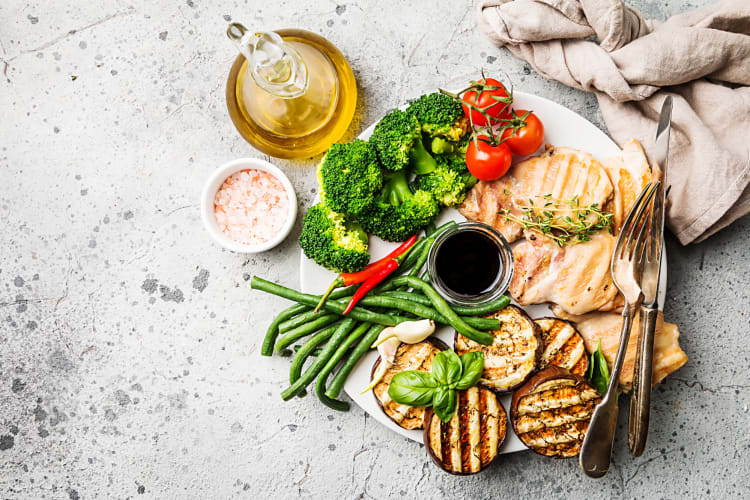
Food culture is in a constant state of rapid evolution, fueled largely by the instantaneous nature of modern visual media. This year, the trends moving from professional kitchens and street food stalls into the mainstream spotlight are characterized by a strong desire for both visceral comfort and intense, global flavor exploration. People are no longer looking just for sustenance; they seek memorable culinary experiences that are equally satisfying to eat and to share with their social circles.
We observe a significant departure from minimalist, sterile plating toward maximalist presentation, complex flavor layers, and a refocusing on foundational culinary techniques that require time and dedication. Consumers are demanding greater transparency in sourcing, a celebration of regional specifics over generic definitions, and a new understanding of how diet supports holistic well-being. This convergence of novelty, nostalgia, and consciousness defines the primary food trends shaping our palates this year.
1. Radical Transparency in Sourcing
The generic “farm-to-table” descriptor is giving way to a much more rigorous demand for hyper-local sourcing and comprehensive supply chain transparency. Consumers today want to know the precise origin of every ingredient, not just a vague idea.
-
Estate-Specific Focus: Menus and labels are increasingly highlighting the specific small-scale farm, fishery, or artisan responsible for the produce or product.
-
Complete Lifecycle Visibility: Brands and restaurants are leveraging digital platforms to provide visibility into the entire lifecycle of an ingredient, from regenerative soil health practices to direct-trade partnerships with farmers.
-
The Rise of Local: This extends beyond food miles; it’s about supporting localized resilience. The movement champions regional heirloom varietals and hyper-specific local specialties, celebrating true seasonality over year-round, imported convenience.
2. Functional Mushrooms Go Mainstream
The functional fungi market is experiencing explosive growth, transitioning from niche health stores into the culinary mainstream. Foraging, once a marginal hobby, is now a highly visible lifestyle element, both digital and physical.
-
Culinary Integration: Beyond powders and supplements, medicinal mushrooms like Lion’s Mane, Reishi, and Chaga are being seamlessly incorporated into daily food items. This includes everything from fungi-infused coffees and creamy lattes to hearty, meat-alternative centerpieces at restaurants.
-
Health and Wellness Focus: Functional mushrooms are valued for their diverse range of benefits, such as adaptogenic properties to help manage stress, cognitive support, and immune boosting capabilities. This aligns with the wider trend of food as proactive, preventive healthcare.
-
Foraging and Ecology: The trend is supported by an increased interest in the symbiotic relationship between fungi and forest health. There is a strong educational component, emphasizing sustainable harvesting techniques and a deeper understanding of the entire mycelial network.
3. Maximalist Comfort Food and Complex Textures
In a direct response to global uncertainty and a movement away from strict dietary constraints, comfort food is back, but it is larger, louder, and more decadent than ever before. This trend rejects the minimalist aesthetics of previous years in favor of pure, indulgent maximalism.
-
Layering Flavor and Sensation: Modern comfort dishes focus on sensory abundance. Think deep-fried, gooey core ingredients, surprising hot honey applications, and toppings layered to create intricate contrast. The focus is on a symphony of crunch, spice, sweet, and rich creaminess all in one bite.
-
Nostalgic Innovation: Classic dishes like macaroni and cheese, gourmet burgers, and artisanal pizzas are being updated with unexpected, premium, and globally inspired ingredients. This provides a familiar anchor while delivering the high-impact visual appeal needed for digital platforms.
-
Visible Abundance: This is not about delicate, hidden flavors; it is about clear, bold, and abundant components. Every element must be identifiable and visually impactful, celebrating the tactile joy of eating.
4. The New Global Pantry: Distinct Regional Flavors
As palettes become more sophisticated, the general approach to global cuisine is splintering. Blanket terms like “Asian food” or “Latin American food” are being abandoned in favor of specific, rich regional and sub-regional identities.
-
Specific Geography: Restaurants and home cooks are diving deep into the specifics of regions such as Sichuan, Kolkata, Oaxaca, or the Levant. The goal is authentic immersion in distinct spice profiles, fermentation techniques, and preparation methods unique to those locations.
-
Complex Heat and Acidity: Moving beyond generic sriracha, the focus is on deeper, more complex expressions of heat. This includes distinct chilies like Gochugaru, Aleppo, or Bird’s Eye, often paired aggressively with sharp acids, intense funk from fermentation, or aromatic oils.
-
Cultural Preservation: This trend often champions lesser-known ingredients and traditional methods. It emphasizes the historical and cultural context of a dish, moving away from fusion toward deep cultural appreciation and historical accurate preservation.
5. Elevated, Slow-Fermented Bread: The Sourdough Renaissance Continues
The collective focus on gut health, combined with a nostalgic return to artisan craftsmanship, has ensured that high-quality, slow-fermented baked goods are dominating bakery cases and home kitchens.
-
Gut Health Benefits: Consumers are recognizing that long fermentation breakdown of gluten and antinutrients in wheat, making traditional sourdough more digestible and nutrient-accessible.
-
Artisanal Dedication: This is a celebration of the skilled baker and the invisible labor of fermentation. It honors ancient techniques that prioritize texture, flavor complexity, and nutritional integrity over industrial volume or speed.
-
Maximalist Sandwiches: These robust, flavorful loaves serve as the necessary foundation for the maximalist sandwiches and artisanal toasts that are popular visually. The sturdy crust and complex crumb are essential for holding heavy fillings, creating a vital interplay of textures that is central to modern, high-comfort food presentation.
6. Sustainable, Seafood-Specific Eating
The demand for protein is shifting dramatically as environmental concerns mount. There is a move away from industrial, resource-heavy meat production toward regenerative alternatives and a much smarter, seasonal approach to wild-caught protein.
-
Underloved Species and Bycatch: Menus are highlighting “trash fish” or underutilized species that are often discarded as bycatch, such as monkfish liver, tilefish, or skate. This maximizes resource efficiency and supports localized fishing economies.
-
Regenerative Aquaculture: The industry is embracing restorative farming. This includes filter-feeding shellfish like oysters, mussels, and clams, which actively clean waterways, and restorative kelp and seaweed farming, which sequesters massive amounts of carbon.
-
Regional Specificity: Instead of generic salmon or shrimp year-round, there is a strong focus on regional, seasonal, wild-caught specialties, respecting the natural breeding cycles and minimizing the massive carbon footprint of international shipping.
7. Zero-Waste Mixology and Nonalcoholic Complexity
The same levels of innovation, complex sourcing, and intense culinary technique that have revolutionized food are now defining the drinks menu.
-
Nonalcoholic Sophistication: Moving beyond simple juice-based mocktails, the new wave of NA drinks uses sophisticated distillation, complex fermentation, botanicals, and functional ingredients. These offer the ritual, complex flavor layering, and social experience of a cocktail but without the alcohol.
-
Upcycling and Resourcefulness: Bartenders are applying zero-waste culinary principles. They are utilizing citrus rinds to make oleo-saccharum, dehydrating spent herb stems for powders, or fermenting fruit trimmings into vinegars for gastriques. Every component of an ingredient is optimized for flavor rather than thrown away.
-
Functional Focus: Similar to the food side, drinks are featuring functional mushrooms, powerful adaptogens like Ashwagandha or Rhodiola, and localized botanicals, making the beverage program as thoughtful and health-conscious as the menu itself.
Frequently Asked Questions
Why is hyper-local sourcing suddenly more popular than broad organic claims?
Organic claims, while beneficial, have been diluted by industrial-scale farming and complex international supply chains. Consumers today want specific, verifiable data about who grew their food and exactly how it was produced. A connection to an identified local estate or regenerative farmer offers greater transparency and ensures more of the value stays within a localized, resilient food economy.
Are functional mushrooms just a health food fad or a true culinary ingredient?
It is a true culinary integration. While their adaptogenic properties driven their popularity, chefs are increasingly valuing Lion’s Mane and other functional fungi for their unique, savory flavor profiles and versatile meaty textures. They are moving far beyond supplement powders into hearty, center-of-the-plate centerpieces in restaurant settings.
What is the difference between maximalist and traditional comfort food?
Traditional comfort food relies on the emotional weight of memory and often utilizes simple, foundational ingredients in familiar ways. Maximalist comfort food rejects simplicity and embracing deliberate excess. It is defined by aggressive layering of intense, contrasting flavors, textures, and visually impactful ingredients, creating a high-impact sensory experience designed for both taste and visual sharing.
Why is there a push for regional global flavors over fusion cuisine?
Fusion often blurs the lines, combining components into a generic whole. The current trend prioritizes deep cultural literacy and authenticity. Consumers seek specific, unfiltered immersion into the unique, geographically accurate spice blends, fermentation traditions, and cooking methods of distinct regional areas rather than a homogenized “greatest hits” compilation.
Why are shellfish and seaweeds considered sustainable alternatives to other proteins?
Most aquaculture of mussels, oysters, clams, and scallops requires zero feed input. Instead, these bivalves are regenerative, filter-feeding and actively cleaning the surrounding water. Similarly, seaweeds and kelp require no fertilizer, freshwater, or land while sequestering significant carbon. These “3D ocean farming” techniques have an extremely low environmental footprint compared to land-based industrial meat or even conventional plant-based proteins.
Does zero-waste mixology really impact restaurant sustainability or is it just clever branding?
It has a meaningful, measurable impact. In a traditional bar setting, up to thirty percent of ingredients like citrus, fruit trimmings, and herbs are lost. Zero-waste techniques upcycle these components, using fermentation, dehydration, or maceration to extract every layer of flavor. This minimizes landfill waste, reduces the volume of new materials ordered, lowers costs, and forces creativity, resulting in deeper, more complex drink profiles.
