
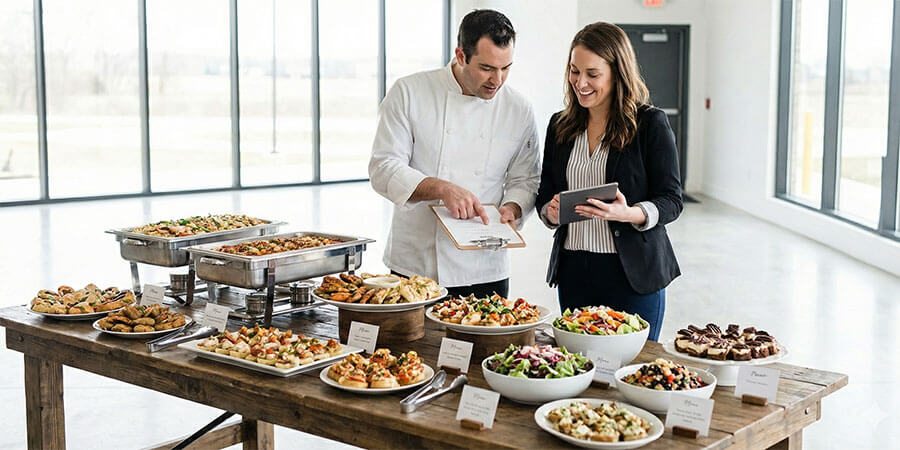
The modern event industry is undergoing a significant transformation. Hosts and guests alike are no longer satisfied with standard banquet fares that ignore environmental consequences. From corporate galas to weddings, there is a growing demand for sustainability that extends from the planning stages directly onto the dinner plate. Catering events naturally generate massive amounts of food waste, consume significant energy, and often rely on long, carbon-heavy supply chains. Designing an eco-friendly catering menu requires moving past surface-level greenwashing to construct a deeply thoughtful culinary blueprint that honors environmental boundaries while delivering exceptional flavor.
Creating a sustainable menu does not mean offering boring, restrictive dishes or compromising on luxury. In fact, sustainable catering forces chefs to innovate, resulting in vibrant, seasonal menus that celebrate local terroir and craftsmanship. By focusing on smart sourcing, waste reduction strategies, and creative ingredient utilization, catering operations can lower their ecological footprint while giving clients a memorable dining experience. Here is a comprehensive guide to building a truly sustainable, eco-friendly catering menu from scratch.
1. Prioritize Hyper-Local and Seasonal Sourcing
The foundation of any eco-friendly menu is the geographical origin and lifecycle of your raw materials. Transporting exotic ingredients across oceans creates a heavy carbon footprint that degrades the planet and strips food of its natural vitality.
Connect with the Regional Agricultural Network
Instead of relying on major international distributors who ship produce from across the globe, establish direct relationships with local farmers, urban agriculturists, and nearby artisanal producers. Building your menus around the local harvest schedule ensures that your ingredients are picked at peak ripeness, eliminating the need for prolonged chemical preservation or artificial ripening chambers.
-
Embrace Dynamic Menus: Work closely with clients to explain that the specific vegetable pairings might shift slightly depending on exactly what is thriving in the soil during the week of the event.
-
Celebrate Native Heirloom Varietals: Introducing guests to lesser-known, regional crops preserves biodiversity and provides a built-in narrative that adds a layer of intellectual engagement to the dining experience.
Source Certified Regenerative Products
When sourcing outside of your immediate geographical area for pantry staples like grains, oils, and spices, look for verified certifications. Prioritize products that are certified organic or grown using certified regenerative farming methodologies. Regenerative agriculture actively heals the environment by focusing on topsoil restoration, water table protection, and carbon sequestration within the earth, turning your ingredient procurement into a tool for environmental repair.
2. Implement a Plant-Forward Menu Architecture
Industrial livestock production is one of the leading contributors to global greenhouse gas emissions, deforestation, and water scarcity. Transitioning your catering menu layout from a meat-heavy framework to a plant-forward structure is the single most impactful adjustment you can make for the environment.
Redefine the Center of the Plate
A plant-forward approach does not mean forcing every client to host a strictly vegan or vegetarian event, though that is an excellent goal. Instead, it involves redesigning classic banquet presentations so that whole grains, heirloom legumes, and charred seasonal vegetables serve as the focal point of the dish, while high-quality animal proteins are utilized sparingly as a flavor accent or garnish.
-
Elevate Vegetable Preparation: Use advanced culinary techniques like slow-roasting, smoking, and fermentation to draw out deep, savory umami profiles from humble vegetables like mushrooms, celery root, and eggplant, proving that plant dishes can hold their own against traditional steaks.
-
Construct Interactive Stations: Design interactive, plant-based food stations like a hyper-local grain bowl bar or a street-taco station utilizing pulled jackfruit or house-made walnut chorizo. These setups keep guests engaged while significantly lowering food costs and chemical footprints.
3. Champion Sustainable Aquatic Proteins
If your client insists on featuring seafood within the menu, it is critical to navigate the complex world of marine sourcing with precision to avoid supporting destructive overfishing and habitat destruction.
Focus on Low-Trophic Species and Restorative Farming
The ecological cost of farming or catching predatory fish like salmon, tuna, and swordfish is exceptionally high. Shift your seafood selections down the food chain to lower-trophic levels, which are inherently more resilient and faster to reproduce.
-
Bivalves and Shellfish: Mussels, clams, and oysters are incredibly sustainable choices. They require no wild feed inputs and act as natural water purification systems, filtering nutrients and cleaning the coastal ecosystems where they grow.
-
Restorative Kelp and Seaweeds: Incorporating sea greens into your salads, broths, and garnishes supports ocean multi-trophy farming models that absorb dissolved carbon and provide critical nursery habitats for marine wildlife.
Utilize Underloved Bycatch Options
Work with localized fisheries to source target bycatch species that are accidentally caught alongside primary commercial species but are often discarded due to lack of market familiarity. Introducing guests to delicious, responsibly caught fish like porgy, Acadian redfish, or dogfish reduces pressure on threatened seafood populations and maximizes resource efficiency.
4. Design for Absolute Waste Minimization
Food waste that rots in landfills releases massive amounts of methane gas, making waste mitigation a primary operational goal for any eco-friendly catering operation.
Master Root-to-Stalk and Nose-to-Tail Production
A sustainable catering kitchen approaches every ingredient with complete resourcefulness, ensuring that nothing enters the organic waste stream unnecessarily.
-
Upcycle Herb Stems and Vegetable Peels: Instead of discarding parsley stems or onion skins, dehydrate them to create intensely flavored seasoning powders, or simmer them into rich vegetable stocks that form the base for your sauces and reductions.
-
Repurpose Surplus Bread: Stale bread or left-over artisan rolls can be transformed into house-made croutons, bread pudding desserts, or ground down into rustic panadas to thicken winter stews.
Reconsider the Buffet Format
Traditional buffets are notorious engines for food waste because catering regulations often prohibit the donation or reuse of food that has sat out on a communal warming line. Transitioning to a family-style table service or a strictly plated multi-course menu allows for precise portion control and keeps surplus ingredients safe in back-of-house refrigeration, where they can be properly stored for staff meals or packaged safely for localized food rescue organizations.
5. Conscious Back-of-House Operations and Presentation
True sustainability goes far beyond what is printed on the physical cardstock menu. The material used to present the food and the physical management of the event space must harmonize with your eco-friendly philosophy.
-
Eliminate Single-Use Plastics Entirely: Ban all plastic cocktail stirrers, plastic toothpicks, individual condiment packets, and plastic wrap from your display lines. Invest in high-quality reusable porcelain, glass, and metal flatware, or choose certified compostable palm-leaf plates if an outdoor venue lacks commercial washing infrastructure.
-
Water Management Systems: Instead of offering rows of individual plastic water bottles, construct elegant hydration stations using crystal dispensers filled with filtered tap water infused with seasonal fruit trimmings and fresh backyard herbs.
-
Collaborate with Local Composting Networks: Ensure that all organic kitchen scraps generated during prep work and any left-over scraps cleared from guest plates are diverted into a managed composting program rather than standard trash bins, turning waste back into fertile topsoil for local agricultural farms.
Frequently Asked Questions
How can a catering company accurately forecast food volumes to avoid overproduction?
Accurate forecasting requires active communication with the client during the planning process. Caterers should implement a strict RSVP tracking window that requires a final headcount at least seven to ten days before the event. Utilizing historical data from similar event types allows you to adjust portion sizes based on variables like guest demographics, the length of the cocktail hour, and whether alcohol is being heavily consumed, reducing average overproduction margins to less than five percent.
What should a caterer do with left-over food that cannot be legally donated?
For food that has been displayed on buffets and cannot be safely donated due to local health department codes, the absolute best alternative is commercial composting. Partnering with a localized industrial composting service ensures the organic material breaks down into nutrient-dense fertilizer rather than releasing methane in a landfill. For pristine kitchen surplus that was never brought out into the dining area, establish advance protocols with registered food rescue non-profits who can safely transport the food to local shelters using temperature-controlled vehicles.
How do you balance an eco-friendly menu budget when organic and local ingredients cost more?
While local, heirloom produce and certified meats often carry a higher price tag per pound, you can balance your total food costs by adjusting the structural ratios of your menu. Implementing a plant-forward layout allows you to reduce the total volume of expensive animal protein purchased. By shifting your budget focus toward inexpensive grains, legumes, and seasonal root vegetables elevated through skilled culinary preparation, you can keep your overall ingredient costs comparable to, or even lower than, a conventional menu.
Is it better to choose compostable disposable service ware or transport reusable plates to a remote location?
From a true lifecycle analysis perspective, renting and utilizing heavy reusable china, glassware, and metal flatware is almost always superior to any single-use option, even if it requires burning fuel to transport the items and using energy to wash them. Single-use compostable items still require significant manufacturing energy, water resources, and shipping fuel, and they will only break down properly if they are sent to a dedicated industrial composting facility rather than a standard landfill.
How can we handle client pushback if they demand an out-of-season menu item like winter strawberries?
Education and transparent communication are your best tools. Instead of a flat refusal, explain the environmental cost and the poor flavor profile associated with importing out-of-season produce over thousands of miles. Offer a compelling, seasonal alternative that fits the same culinary purpose, such as a rich, locally sourced winter berry compote made from berries preserved during the peak of summer, showing the client that seasonality enhances luxury rather than limiting it.
What defines sustainable coffee and tea sourcing for a large-scale event?
Because coffee and tea cannot be grown locally in most regions of the United States, look for direct-trade partnerships and certifications like Fair Trade Certified, Rainforest Alliance, and Bird-Friendly Organic. These designations ensure that the crops were grown beneath natural forest canopies without destroying native habitats, that water resources were protected during processing, and that the farmers were paid living wages for their labor.
